1. Growth of data centers and cloud computing
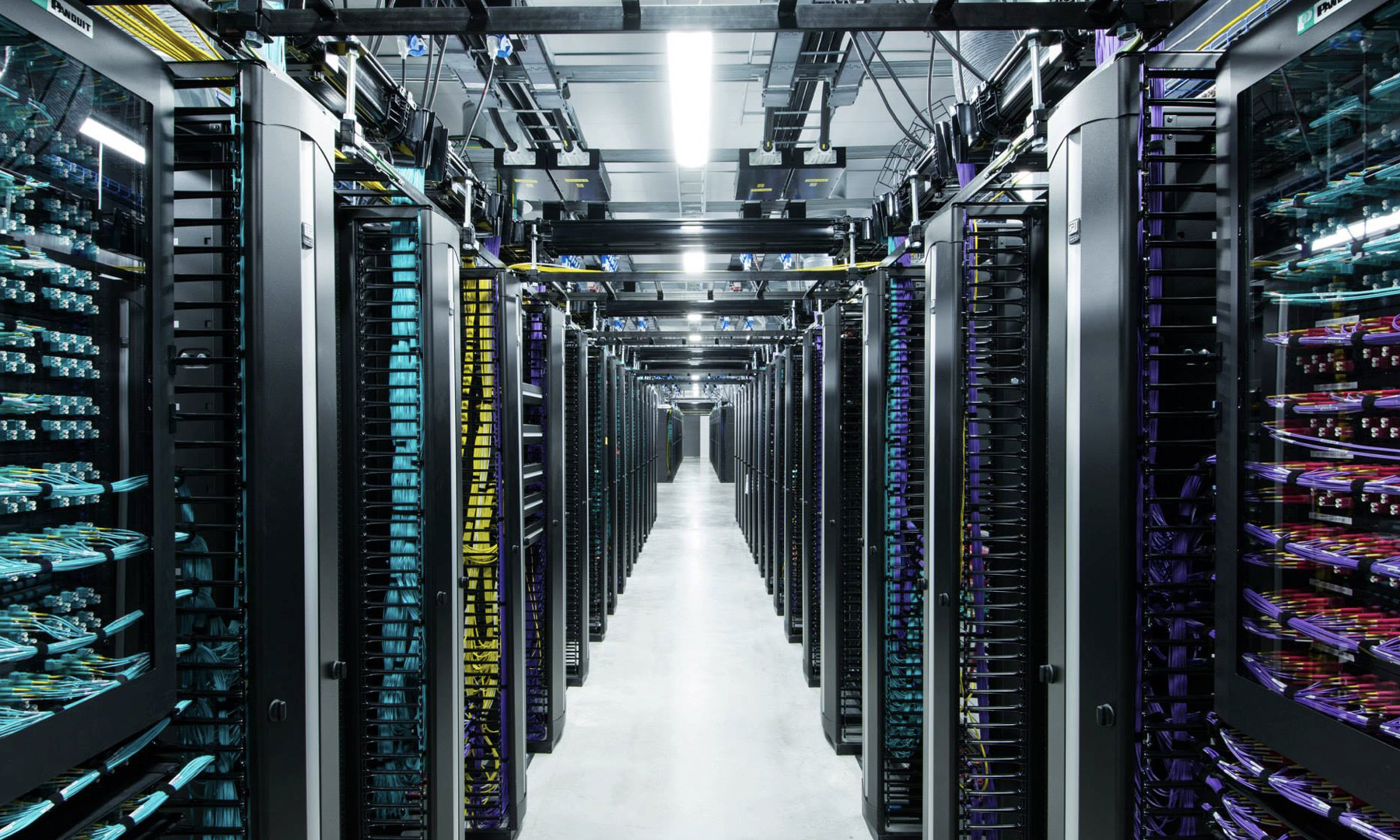
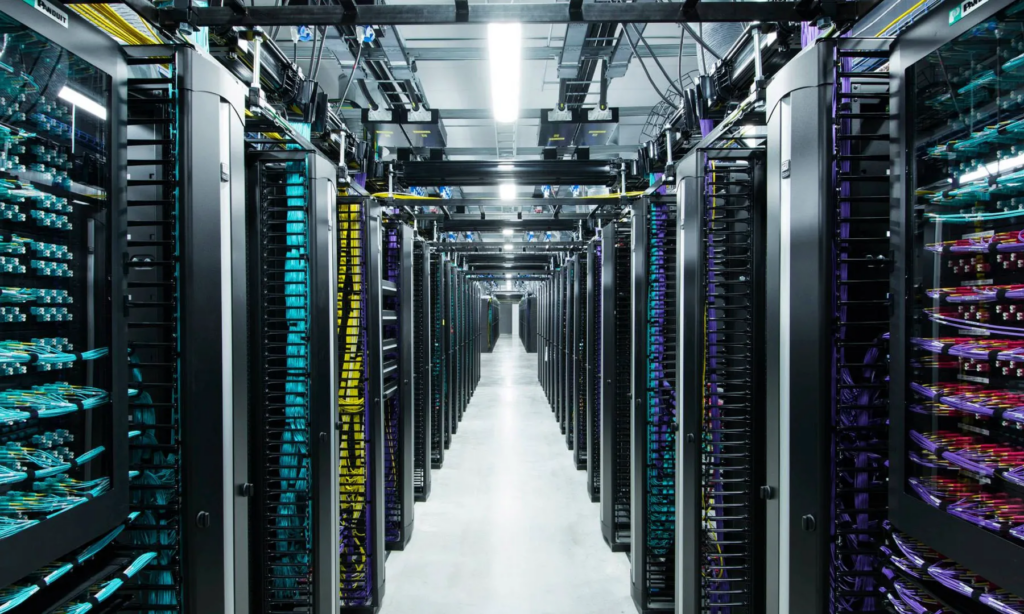
Data centers are the base of the internet, powering everything from streaming platforms like Netflix to cloud services like Google Drive. These facilities require immense amounts of energy to store, process, and transmit data. According to the International Energy Agency (IEA), data centers account for 1% of global electricity demand, a figure expected to grow with the rise of cloud computing.
Events like the COVID-19 pandemic accelerated cloud adoption, as companies and individuals transitioned to remote work, leading to an explosion in virtual meetings, file sharing, and cloud storage. For example, Microsoft reported a 775% increase in demand for cloud services in some regions during 2020. While major providers like Amazon Web Services (AWS) and Google are investing heavily in renewable energy, the rapid growth of cloud usage continues to challenge sustainability efforts.
https://engineering.fb.com/wp-content/uploads/2018/05/data-center-shot.jpg
2. Video streaming boom
The increase in video streaming has become one of the largest contributors to online energy consumption. Services like Netflix, YouTube, and TikTok account for over 60% of internet traffic worldwide.
The release of high-profile events—such as Netflix’s “Squid Game” debut in 2021—demonstrates the scale of the issue. During its first four weeks, the series was streamed for 1.65 billion hours, consuming massive amounts of energy in data processing and transmission. These statistics underline the need for platforms to optimize streaming technologies and encourage users to adopt sustainable viewing habits, such as lowering video resolution where possible.

https://www.marca.com/en/lifestyle/tv-shows/2021/10/01/6157178546163f62728b45ae.html
3. Expansion of internet-connected devices (IoT)
The rise of Internet of Things (IoT) devices is a big deal. From smart speakers like Amazon Alexa to fitness trackers and smart thermostats, these gadgets are everywhere. By 2025, there could be 75 billion IoT devices worldwide, a massive jump from just 8 billion in 2017.
This boom in connected devices means more electricity use and more e-waste. Each device needs rare earth metals, complex manufacturing, and constant power, all adding to the carbon footprint of our digital world. Plus, the rollout of 5G to keep these devices running smoothly has pushed energy demands even higher with the need for more infrastructure.
4. Cryptocurrency mining
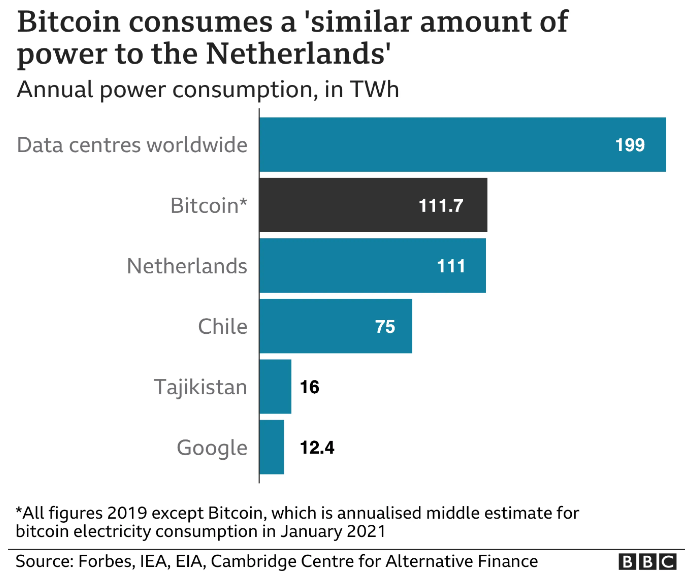
Cryptocurrency mining, particularly Bitcoin, is one of the most energy-intensive activities in the digital space. Bitcoin mining alone consumes more electricity annually than entire countries like Argentina, with estimates placing its energy usage at 121.36 terawatt-hours (TWh). Fun fact – The Eiffel Tower uses about 7.8 GWh annually to light up and operate. With 121.36 TWh , you could power the Eiffel Tower for over 15,500 years.
https://www.bbc.com/news/science-environment-56215787
5. AI and ChatGPT
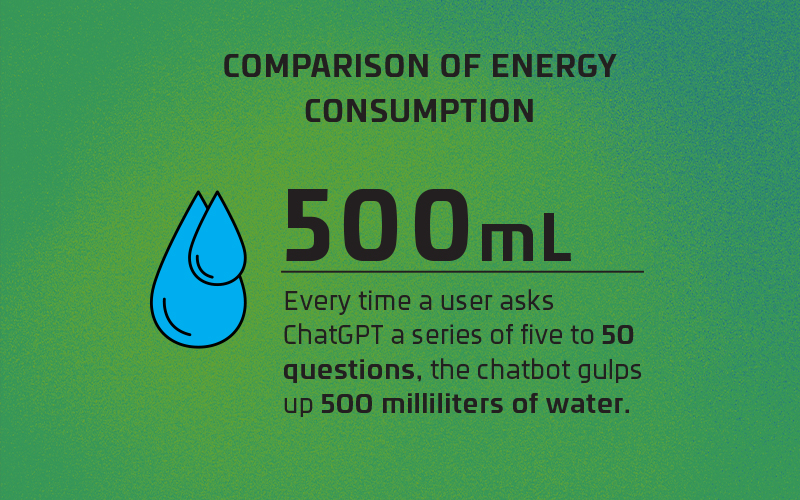
AI systems like ChatGPT have a significant environmental footprint, driven by their high energy consumption. Each ChatGPT request uses about 2.9 watt-hours of electricity, which is ten times the energy required for a Google search (0.3 watt-hours). With 100 million weekly users sending around 15 prompts each, ChatGPT’s yearly energy use totals approximately 226.82 million watt-hours—enough to charge over 3 million electric vehicles or meet the energy needs of several small countries. Developing these AI models is also resource-intensive, training GPT-4 consumed more than 62 million kilowatt-hours, costing $8.2 million in electricity alone. These figures highlight the need for innovation in energy-efficient AI systems and a shift toward renewable energy sources. Balancing the rapid advancement of AI with environmental sustainability is becoming increasingly important.
https://wired.me/science/energy/ai-vs-bitcoin-mining-energy/
Resources:
https://www.cloudzero.com/blog/tech-carbon-footprint
https://www.fdmgroup.com/news-insights/environmental-impact-of-digitalisation
https://wired.me/science/energy/ai-vs-bitcoin-mining-energy/